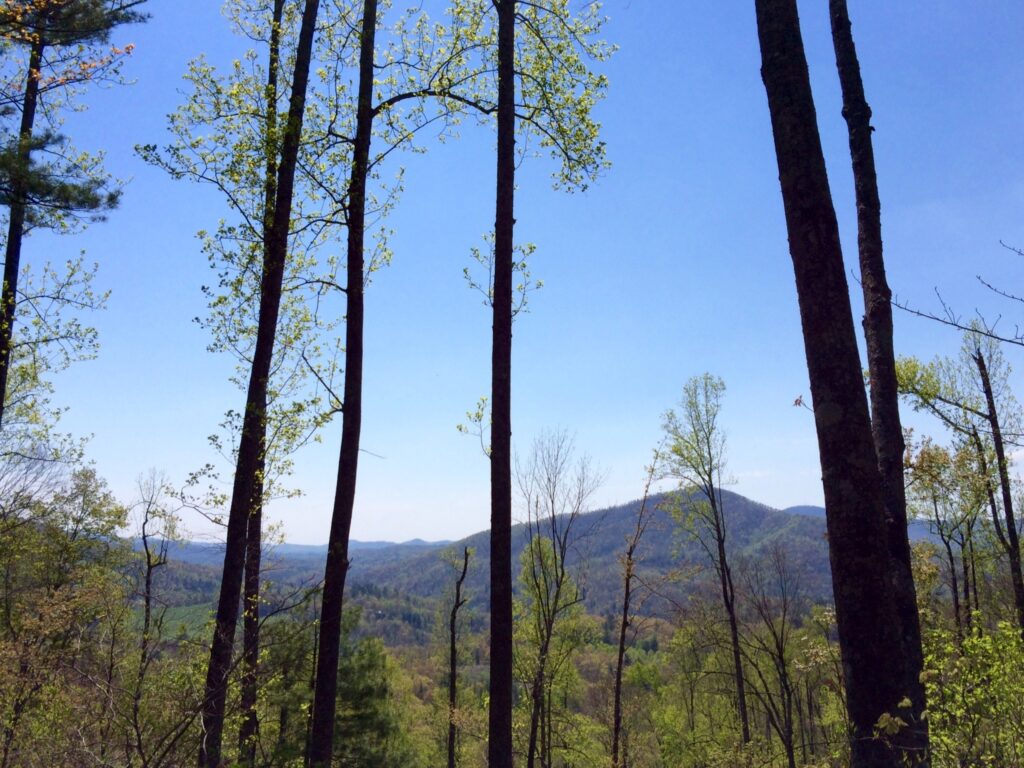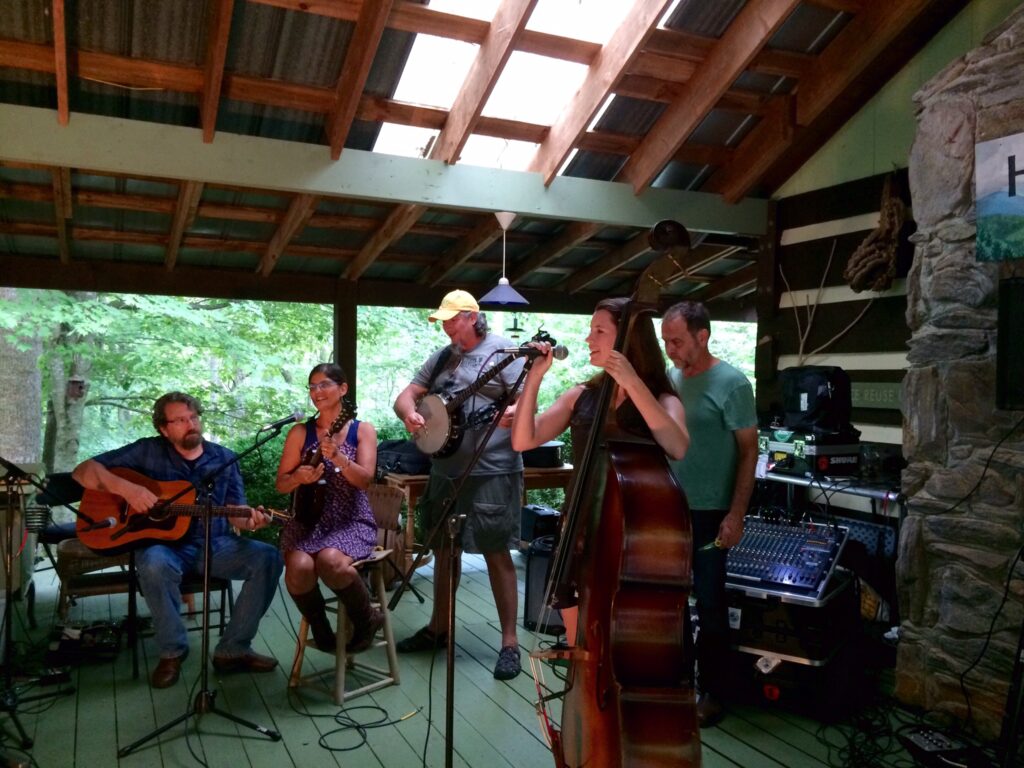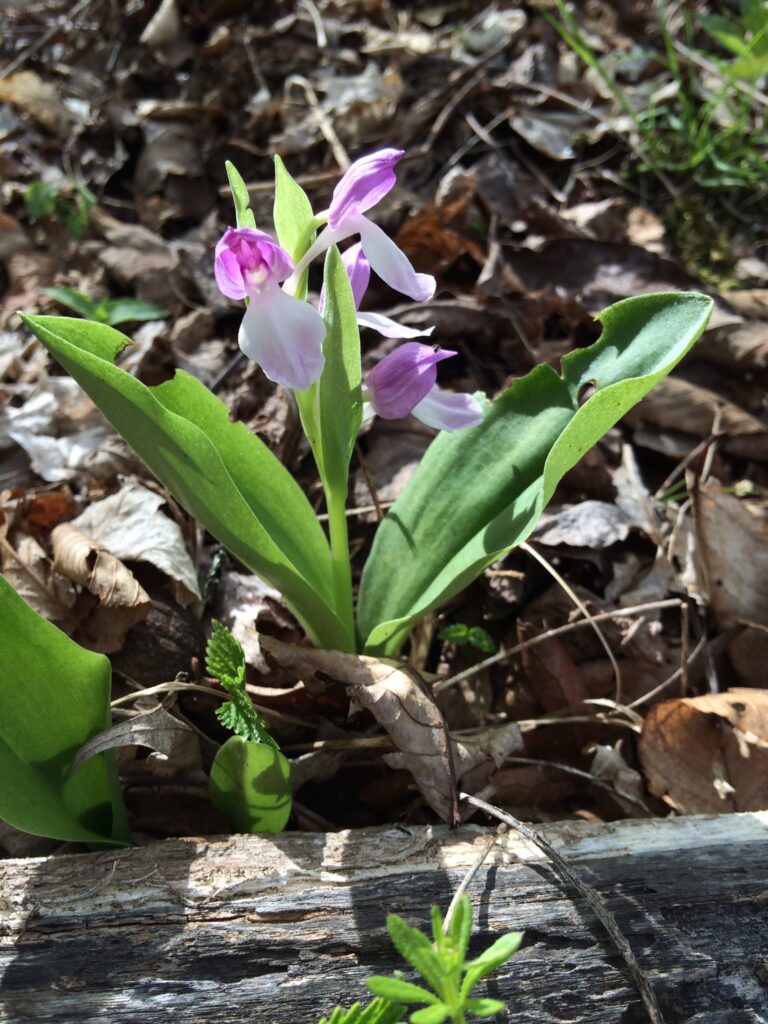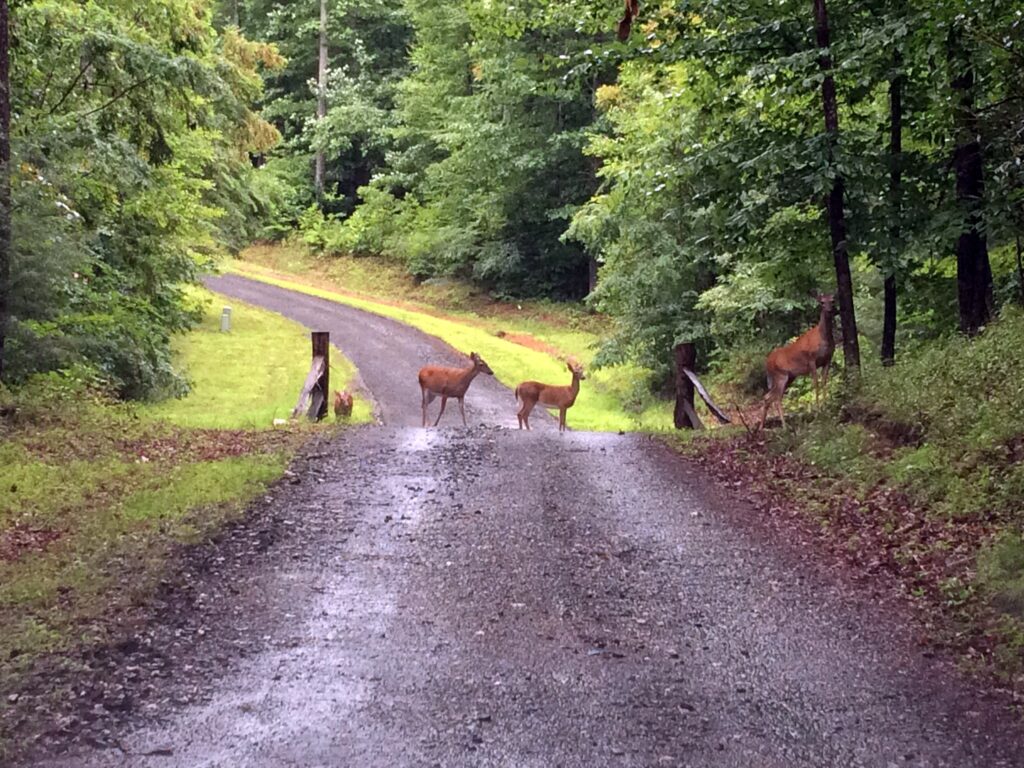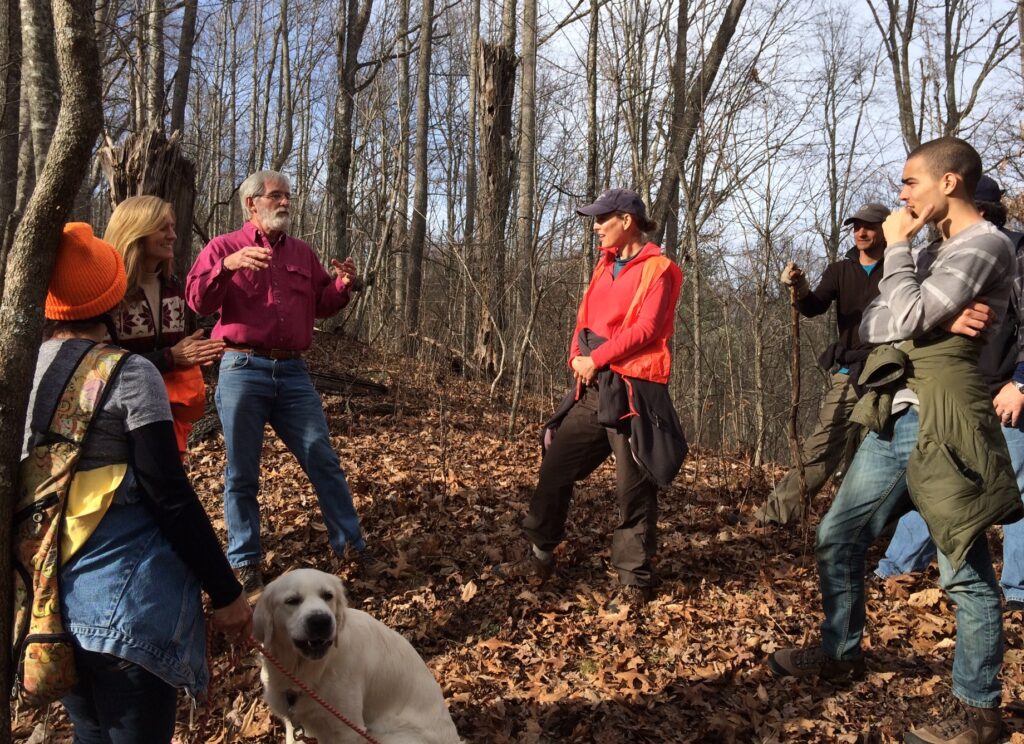

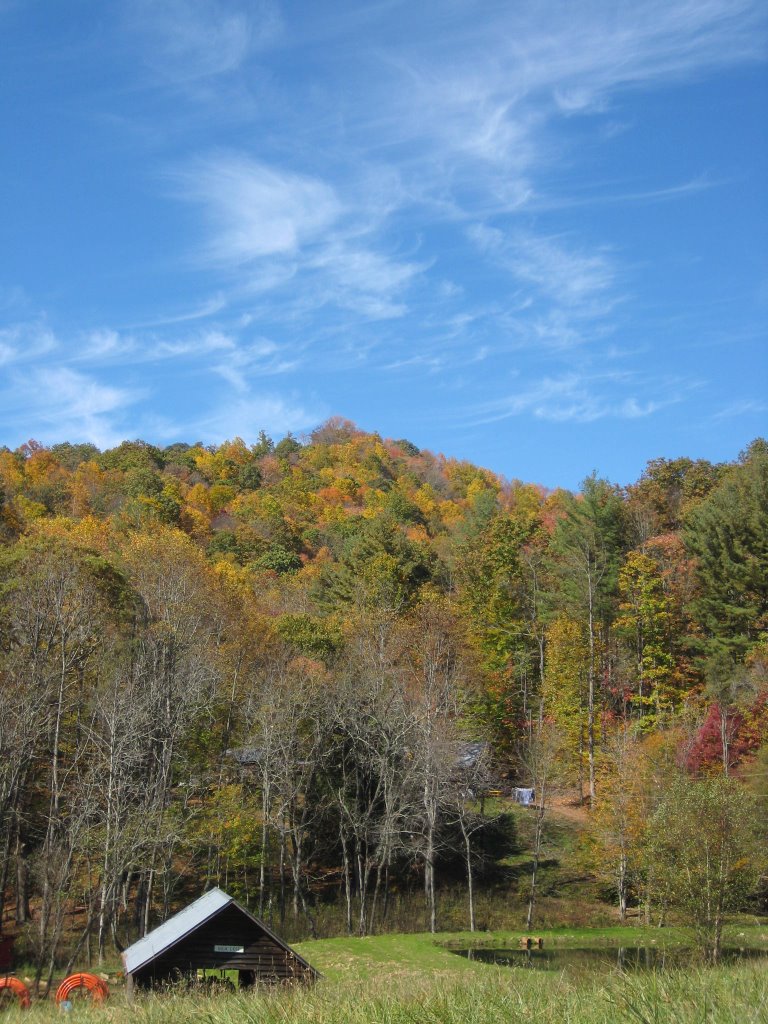
High Cove is a community in the mountains of western North Carolina, focused on the environment, the arts and sciences, and lifelong learning. We are creating a sustainable community that fosters rich and lasting human relationships and provides a place for people of all ages and backgrounds to live, learn, and share experience––while preserving the land, water, and native plants and animals. High Cove includes a forest preserve, future organic farm site, and trails along creeks and ridge tops. There are two neighborhoods, and a mixed-use village center is planned. High Cove is located less than an hour from downtown Asheville, near the renowned Penland School of Crafts, in an area alive with potters, woodworkers, and other crafts workers.
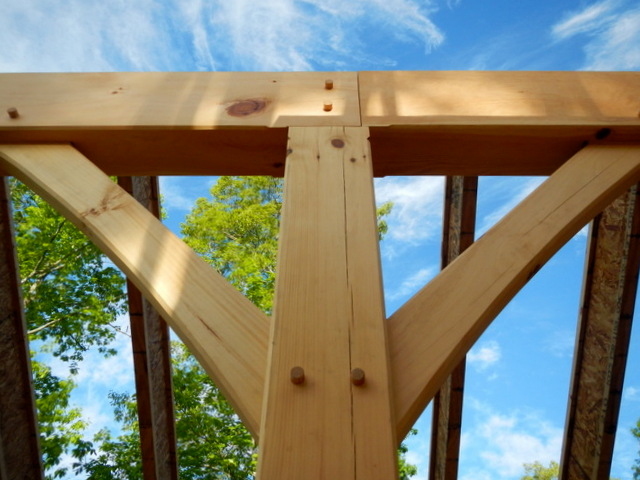
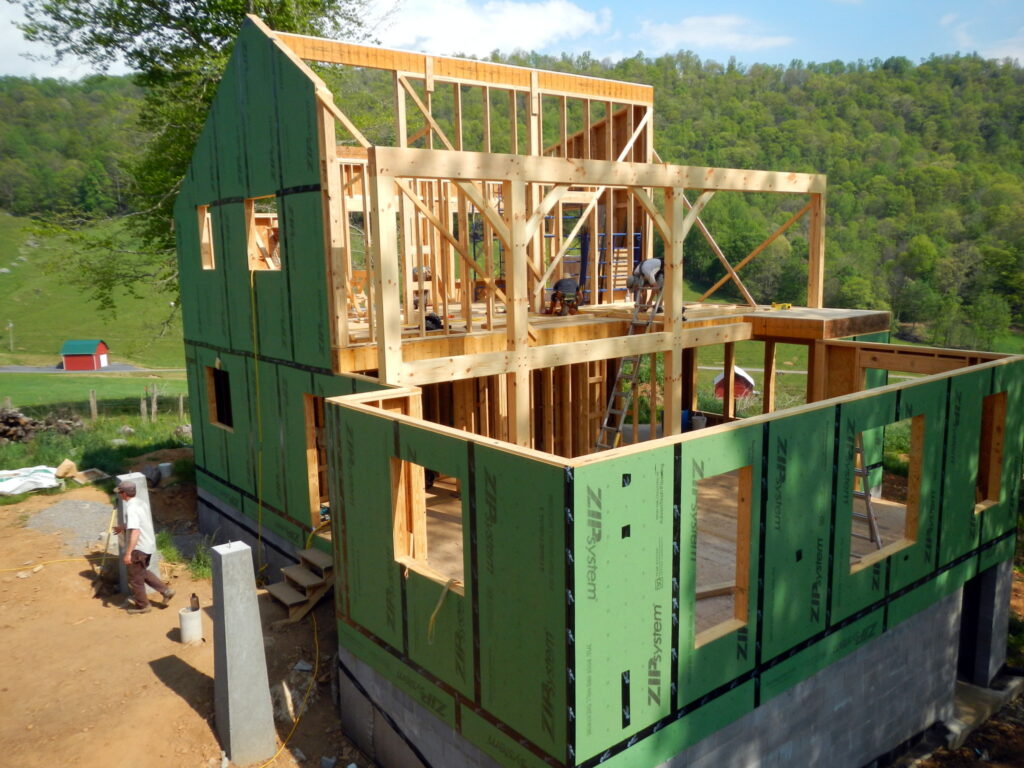
Building sites for homes and studios are available. Development standards call for green homes that conserve energy and natural resources. Sites allow for passive solar, and renewable energy is encouraged. Small (and tiny) houses are welcome. Rental housing is available, but goes quickly.
A small, mixed-use village center is planned. This “main street” is called Castanea Street in honor of the magnificent tree that was decimated by blight. By planting chestnut trees, we will help bring the chestnut back to this region. Land is also set aside for an organic farm, and community garden plots for residents.
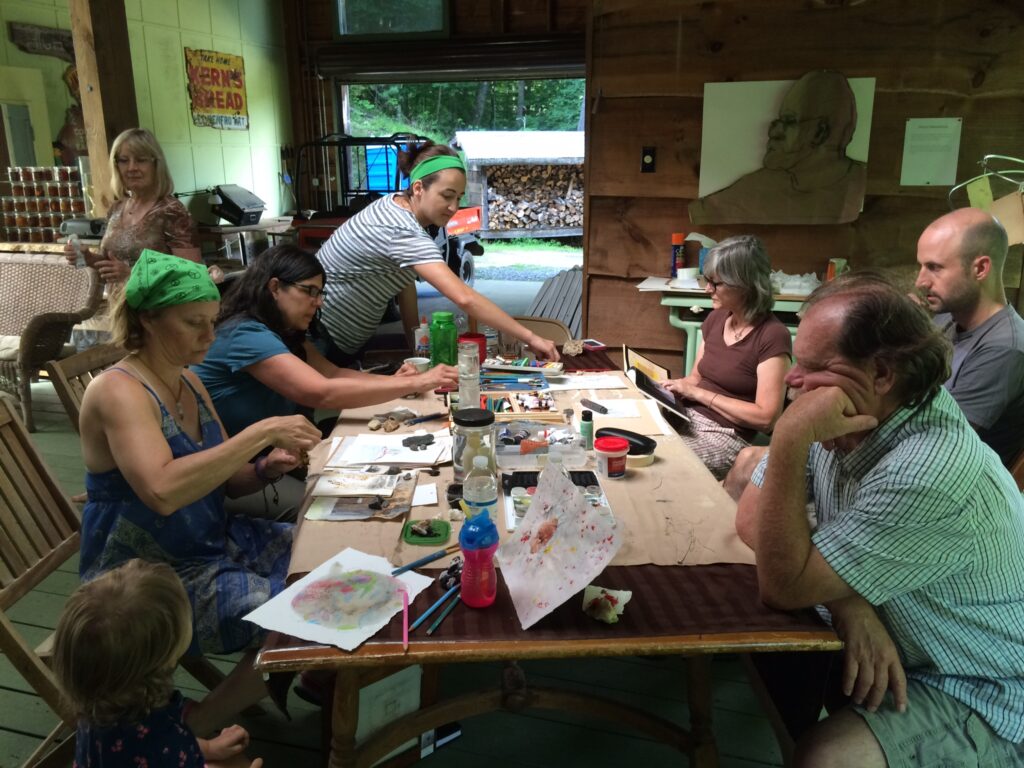
In addition to caring for the natural environment, High Cove supports the human environment with a variety of public and civic spaces. These gathering places are the foundation of neighboring, and build the social capital that makes great communities. We seek diversity in age, income, and background.
living well, with respect for others and for the land
living well, with respect for others and for the land
Informal. A series of discussions allowing both parties to get a feel for one another and whether there is a good fit.
Tell us about yourself. Where do you live now? Why are you interested in High Cove? When would you like to visit? Lodging may be available for overnight visitors (small fee). Email [email protected]
A few people (not elected by the broader community) make the major decisions.
Primary authority rests with the community’s founder(s) or designated leader(s).
Members maintain separate personal finances with minimal sharing.
Monthly fees/dues: $50
Labor: Encouraged or suggested
Members with pre-existing debt: Yes (some debt)
Although there is no membership fee or buy-in, members are responsible for providing their own housing. Typically this means building a house on a lot. Rental housing is occasionally available.
While there is no formal labor contribution requirement, in practice people contribute by doing things they are passionate about, which also enriches the community.
Garden(s), Library, Outbuilding(s), Swimming pond or pool, Fire pit, Internet, hiking trails
Countryside locations with significant distance from urban centers.
There are no needs and offers


Join our newsletter to stay up to date.
{{ item.label }}
{{ item.value ? item.value : currencyFormat( item.amount ) }}
Subtotal
{{ currencyFormat( pricing_summary.total_amount ) }}
There are no results matching your search